
Few experiences test a pet owner’s patience like watching a beloved companion vanish without a trace. For fourteen agonizing days, I spent every evening staring into the quiet neighborhood streets, hoping for a glimpse of a familiar shadow slipping through the shadows. There’s no relief quite like the moment you finally see your cat walk back through the door after two long weeks of uncertainty. The real turning point came down to one simple decision: using a humane trap for lost cat rescues near our backyard garden. It gave us a way to act instead of just waiting and hoping. At Moatales, we know the fear of a missing pet all too well and it’s why we’re devoted to sharing practical, compassionate strategies that guide wandering pets safely back home.
Setting Up a Humane Trap for Lost Cat Rescues Safely

When a domestic feline strays from home, panic often causes them to hide in dark, quiet spaces nearby rather than run far away. Setting up a humane trap for lost cat retrieval is widely considered one of the most effective and safe methods to secure a frightened animal. These box-style cages are designed to close gently behind the animal without causing any physical harm or stress. Placing the enclosure in a familiar, shaded spot like behind garden bushes or near a porch gives a hiding pet the privacy they need to step inside safely.
Strategic Baiting to Encourage a Safe Return
Choosing the right bait plays a crucial role when using a humane trap for lost cat success. Frightened felines rely heavily on their powerful sense of smell, so strong-scented foods work best to lure them out of hiding. Smelly options like canned mackerel, sardines in oil, or freshly cooked chicken often prove irresistible to a hungry stray. To make the setup even more effective, follow these key steps:
Create an Aroma Trail: Place tiny drops of food leading up to the entrance, saving the largest portion for the very back of the cage.
Use Familiar Scents: Line the bottom of the enclosure with a worn t-shirt or a favorite blanket from home to provide a comforting, recognizable smell.
Check the Setup Regularly: Monitor the area frequently so your returning pet does not remain inside the enclosure for longer than necessary.
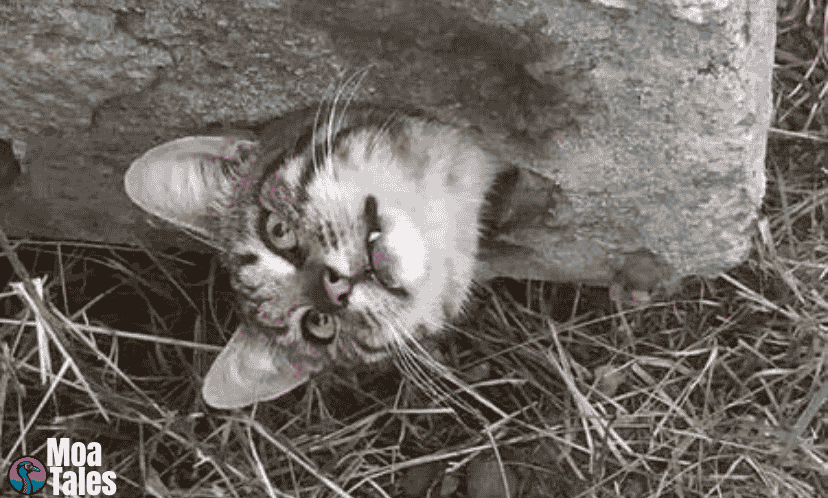
Seeing My Lost Cat follow that familiar scent path straight toward safety was a moment I will treasure forever.
Understanding Why Indoor Cats Hide When Lost
When an indoor cat escapes, open spaces can frighten them. This reaction triggers a natural survival instinct called displacement. Instead of walking back home, they usually hide in dark, quiet places. You can often find them under decks, inside sheds, or behind thick bushes. Furthermore, scared cats often stay completely silent for days. They might not even respond when you call their name nearby. Therefore, a quiet search works much better than driving around or shouting. Combining a calm approach with a patient enclosure is the best way to bring them home.
The Heartwarming Reunion and Post-Rescue Care
After two weeks of patient waiting, the moment finally arrived. Standing quietly by the living room window late at night, I saw a familiar tail twitching near the back patio. Hearing the gentle click of the mechanism, I rushed outside to find my brave explorer safely secured inside the humane trap for lost cat safety. Once inside the house, it is vital to offer a quiet room, fresh water, a small meal, and a gentle checkup to ensure your pet is uninjured and free from dehydration after their outdoor ordeal.
Conclusion
Losing a pet brings immense heartbreak, but staying patient and using smart search techniques can turn despair into a joyful reunion. Learning how to properly manage a humane trap for lost cat retrieval proved to be the exact key that brought my missing companion back home safely. Never give up hope on a missing pet, because with time, love, and the right approach, miracles happen every single day.
FAQs
Will a live trap harm my missing pet in any way?
No, humane box traps feature smooth, spring-loaded doors designed specifically to catch animals safely without injuring them.
How long does it usually take for a missing cat to enter a trap?
It usually takes a few hours to a few days. Feline companions often wait until the quiet late-night hours when they feel safe to emerge.
What is the best food bait to lure a lost feline?
Strong-smelling foods work best, such as canned sardines, wet salmon, tuna, or warm roasted chicken.
Where should I place the enclosure around my house?
Position it in a quiet, covered location where a hiding feline would feel secure, such as under a porch, inside an open garage, or near dense bushes.
What should I do immediately after my missing pet is caught?
Drape a light towel over the enclosure to keep them calm, bring them indoors immediately, and offer fresh water and a cozy room to rest.